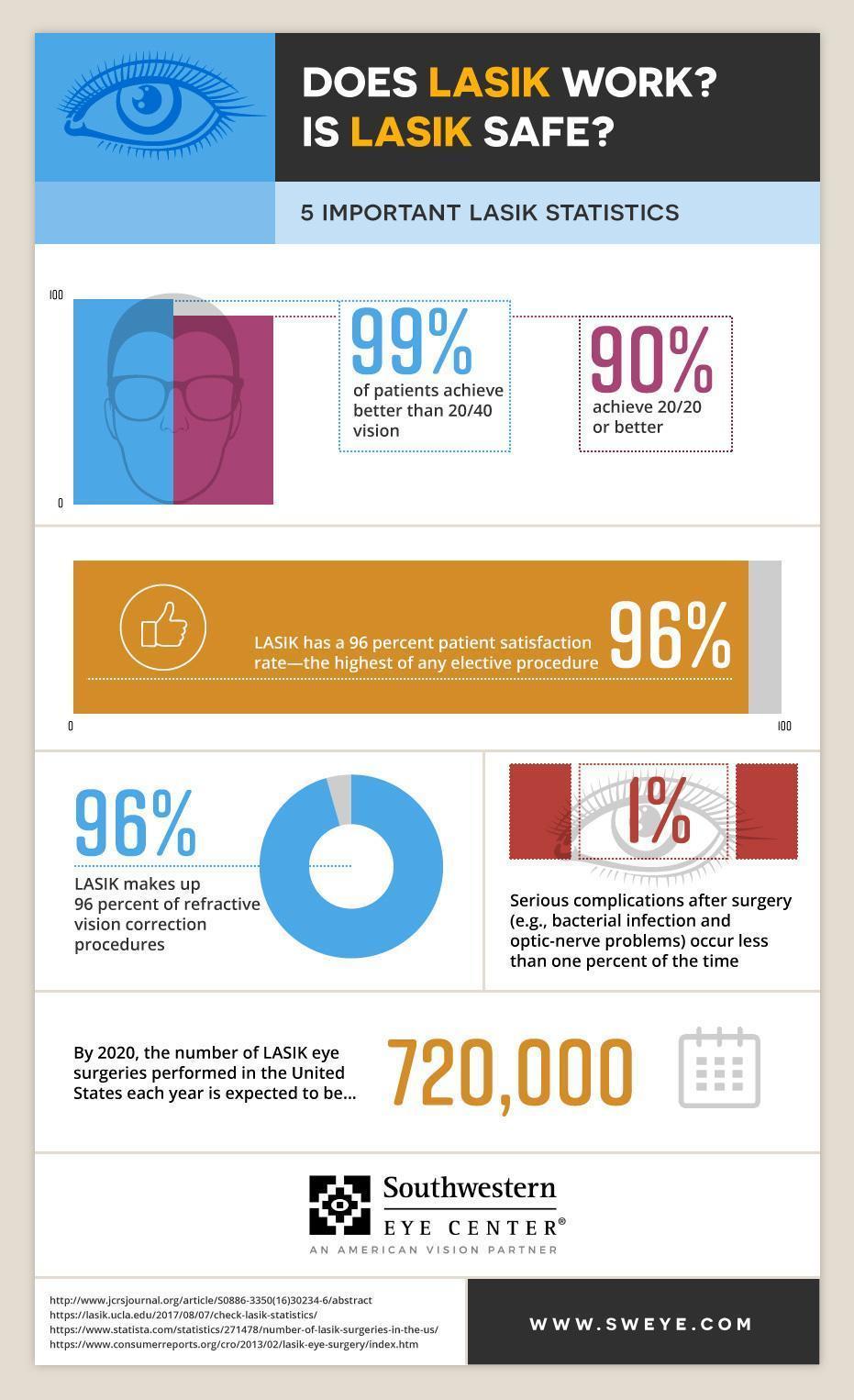
When considering vision improvement, you might locate yourself weighing Refractive Lens Exchange (RLE) versus Photorefractive Keratectomy (PRK). Each alternative has unique advantages and disadvantages, tailored to different age and refractive mistakes. Comprehending these distinctions is vital for making an informed selection. So, what should you learn about the procedures, their end results, and exactly how they might fit your certain demands? Allow's discover the details additionally.
Comprehending Refractive Lens Exchange: What to Anticipate
When you take into consideration refractive lens exchange, you could question what the procedure really includes.
It's a surgical option created to change your eye's natural lens with a synthetic one, generally to fix vision problems like presbyopia or severe myopia.
Throughout the procedure, your cosmetic surgeon makes a tiny incision in your eye, gets rid of the over cast or faulty lens, and dental implants a brand-new lens tailored to your requirements.
The procedure usually takes regarding 15-30 minutes per eye, and you'll get local anesthetic, so you will not really feel pain.
Recuperation is typically fast, yet it's essential to follow your specialist's aftercare instructions.
You can anticipate better vision within a few days, and numerous clients accomplish 20/25 vision or far better.
Exploring Photorefractive Keratectomy: Benefits and Dangers?
Photorefractive keratectomy (PRK) is a prominent laser eye surgical treatment that improves the cornea to deal with vision issues like nearsightedness, farsightedness, and astigmatism.
One of the primary benefits of PRK is the minimal invasiveness; considering that it doesn't involve reducing a flap in the cornea, it's commonly safer for those with thinner corneas. You'll likely experience quick healing times, and several people achieve 20/25 vision or better.
However, there are dangers to think about. You could deal with short-lived discomfort, blurry vision, or glare throughout the recovery process.
Some clients might need enhancement procedures if their vision doesn't support. Overall, recognizing the benefits and threats can assist you make an educated choice concerning whether PRK is right for you.
Contrasting Results: Which Vision Correction Method Is Right for You?
Picking the appropriate vision modification method includes evaluating the pros and cons of numerous options, including PRK and refractive lens exchange (RLE).
PRK commonly fits younger clients with mild to modest nearsightedness, providing fast healing and marginal discomfort. However, RLE might be suitable for those with presbyopia or severe refractive errors, as it replaces the lens, providing more clear vision throughout ranges.
You'll wish to consider your lifestyle and aesthetic requirements. If https://rosina.federatedjournals.com/lasik-or-refractive-lens-exchange-what-eye-surgeons-recommend-1777378313 or like a non-invasive option, PRK may be your best bet.
On the other hand, if you're looking for a long-lasting remedy for age-related adjustments, RLE could be extra useful. Consulting with an eye treatment expert will help customize the option to your certain scenario.
Conclusion
In the end, picking in between Refractive Lens Exchange and PRK relies on your age, vision demands, and personal choices. https://www.dailymail.co.uk/news/article-8999691/Electrician-62-took-life-eye-surgery-left-blurred-vision.html uses a fast recuperation for older individuals with extreme refractive errors, while PRK fits more youthful people with milder problems. Both can accomplish superb results, however it's necessary to talk to your eye treatment specialist to determine the most effective option for you. Your vision should have the appropriate strategy, so put in the time to make an educated choice!